Denver Revolutionary Socialists
Preamble
Denver Revolutionary Socialists is a new revolutionary socialist organization rooted in the working class of Denver and the Front Range. Our study of theory informs our actions. We intervene and support social movements by contributing socialist critiques and perspectives to help movements navigate through common pitfalls that derail popular struggles such as cooptation, reformism, electoralism, and any number of other isms and their resulting schisms. We stand beside workers in their fight against all forms of oppression.
Comrades, we’re here starting fresh not because it’s a great time in history to be a socialist, but because socialism is the inevitable answer to capitalism’s deepening contradictions. Or, put simply, capitalism keeps breaking; socialism is the solution. Do you know that there’s never been a good time in history to be a socialist? It has always put us at odds with the dominant systems of governance and economic power. If we’re doing our job, it always will.
Why are we starting fresh rather than joining an existing formation? In short, all current formations in the Denver region make several key errors whether in theory or praxis, and their leadership is entrenched in such a way that reform is either incredibly difficult or impossible. We will set aside individual grievances in favor of a new model of solidarity through shared struggle.
This is a living draft that will be reworked and debated for years to come as our material conditions change and we have to remain relevant to the moment in order to meet it. As Frantz Fanon reminded us, each generation must discover its mission, fulfill it or betray it. This is our attempt to fulfill that mission: the end of all exploitation.
Analysis of the Existing System
Understanding the current social and economic order and the necessity for change.
- Inevitability of Capitalism’s Crises:
- The majority of society’s ills are structural and irreconcilable within capitalism. Capitalism inevitably produces exploitation, poverty, war, colonization, gender oppression, and environmental destruction, which cannot be consistently eliminated without socialism.
- Revolutionary Transformation:
- The transition to socialism cannot be won through incremental reform. Our systems to address grievances in this country are designed to systematically stymie any attempts at meaningful, lasting changes to benefit the working class. The only solution is a revolutionary overthrow of the existing bourgeois state.
- The State in its current form presents an existential threat
- not just to humanity, but all life on earth. The threats of nuclear annihilation and global warming can only be resolved through global cooperation under the control of a planned socialist economy.
Class Alliances and Social Forces
These positions define which social groups are seen as revolutionary subjects, allies, or opponents.
- Proletariat is the Leading Force for Revolution:
- The industrial proletariat has traditionally been viewed as the most advanced and leading revolutionary class. However, with the changing landscape of the US labor force, we recognize the crucial roles to be played by a wide variety of workers in many different labor relations.
- Working Class Unity:
- The necessity of an alliance between all strata of the working classes whether artisans, laborers, programmers, gig workers, domestic workers both paid and not in the work of social reproduction in their household or others, or as caregivers to old and young alike, or even the unemployed, we acknowledge that the revolution will not be an “isolated lament” but a barbaric yawp over the roofs of the world
- United Front Strategy:
- We will work with anyone toward common goals. The proletariat must lead a broad united front of all revolutionary classes and strata whose interests are antagonistic to the bourgeoisie (including sections of the petty bourgeoisie and non-monopolist bourgeoisie). These united fronts will be temporary, binding, and as broad as we can reach a consensus.
- Character of the Bourgeoisie:
- The bourgeoisie can help at arm’s length. Organizing efforts will always be worker-led. Bourgeois sympathizers may provide material support on a case-by-case basis.
On Oppression and Liberation
We are fractured along lines that we didn’t draw, but are still ours to mend.
- Identities of sexual, gender, racial, national, and other distinctions can not be papered over toward a false unity. The specially-oppressed groups within the working class suffer the most under capitalism and their liberation is integral to ours. We are marching toward liberation together, or not at all.
- We oppose white supremacy, misogyny, and all forms of oppression and acknowledge the compounding intersection of these oppressions no matter what class or strata the oppression is aimed at; even if we don’t agree with their politics, we can unite with people of all classes against their oppression.
- We support the struggle for immigrant rights, for Black and Indigenous liberation, and all the struggles of the oppressed. We fight for real social, economic, and political equality for women and seek an end to discrimination against LGBTQ+ people under cisheteropatriarchy. We believe survivors and stand with and among them in our fight for true emancipation.
- Identity is not a shield to hide behind nor a substitute for political analysis. We engage with ideas on their merits while never losing sight of the material conditions that shape who holds them. Centering identity alone risks reducing the individual to their oppression rather than their capacity to transcend it
Antiracism and Abolition
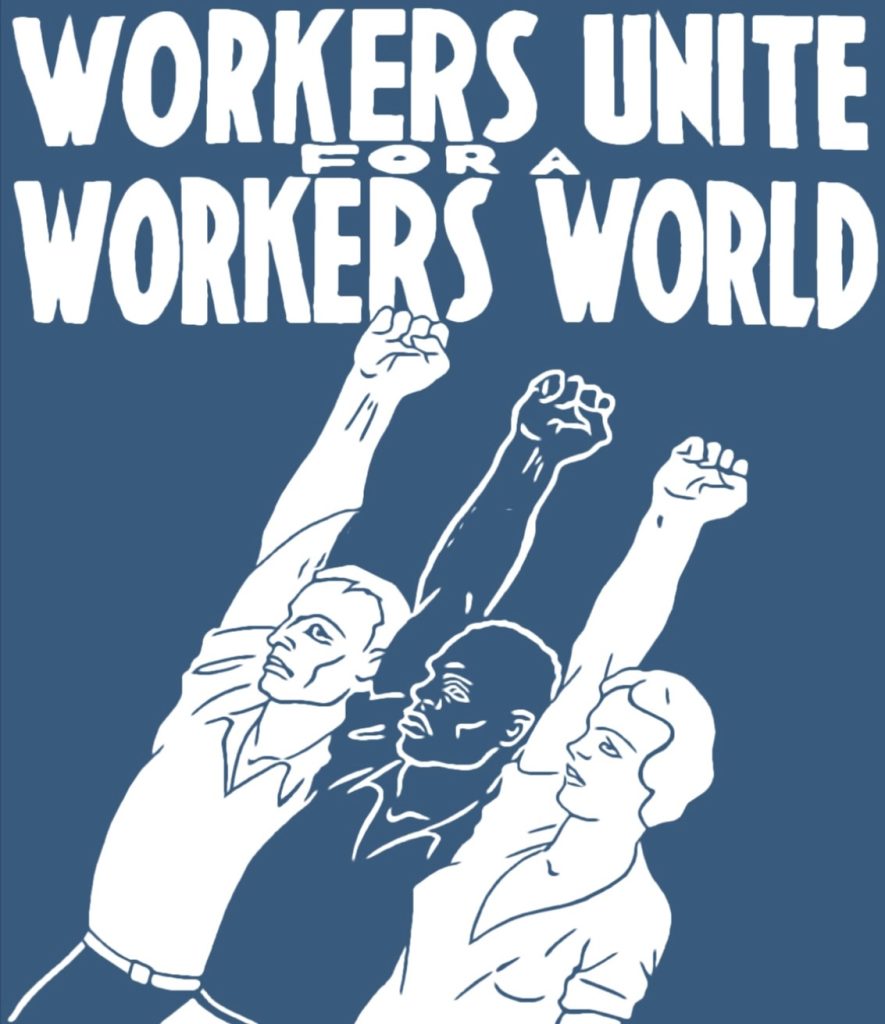
So that there’s no ambiguity, anti-oppression politics are integral to any working class revolution.
- We are antiracists and abolitionists. The US working class has moved most forcefully and consistently when it has confronted racism, in particular anti-Black racism. We take this lesson seriously and prioritize antiracist struggle even when it is unpopular or appears to detract from broader ‘class-wide’ interests. If the socialist movement does not center the primacy of anti-oppression inside the working class, in all its diversity, it is not going to be effective.
- The George Floyd uprising was an important reminder of the power of Black-led resistance and how forcefully it can assert itself as a political actor, demonstrating the absolute necessity of systemic transformation. We see the anti-racist rebellion that took place in the summer of 2020 as the most important development of the current radicalization. Even with a movement still in development, its potential should not be underestimated.
- Crucial to the politics of abolition is the recognition that the state under capitalism is a means of violent repression wielded to ensure the domination of the ruling class. In the U.S., prisons and police are indispensable tools of racist oppression. As socialists, we fight for the full abolition of the cops, the courts, the prisons, and the capitalist state.
Disability Justice
Capitalism both creates the category of disability and discriminates against the disabled on that basis.
Capitalism privileges bodies and minds that generate the most surplus value. The fight against oppression based on ability is thus inherently a struggle for working-class liberation and against capitalism, and the abolitionist project of destroying the carceral state.
Today, we support reforms that can break down systems of marginalization, impoverishment, and oppression of disabled people.
Tomorrow, we advocate for a revolutionary abolitionist program because we see this as the only way to overcome the disability oppression that is endemic to capitalism and its carceral state. DRS stands with the disability justice movement and its calls for intersectional, anti-capitalist politics and full equality and liberation for disabled people. In practice, we are committed to making spaces for meeting, organizing, and protesting fully accessible.
Accessibility is complicated. It’s not simply a matter of wearing n95’s and providing wheelchair-accessible meeting spaces. It means holding everyone’s needs in tension and finding a fair path toward being as inclusive as possible to as many people as possible.
The Party and Its Organization
The nature, structure, and function of the revolutionary organization
- On the Party Formation:
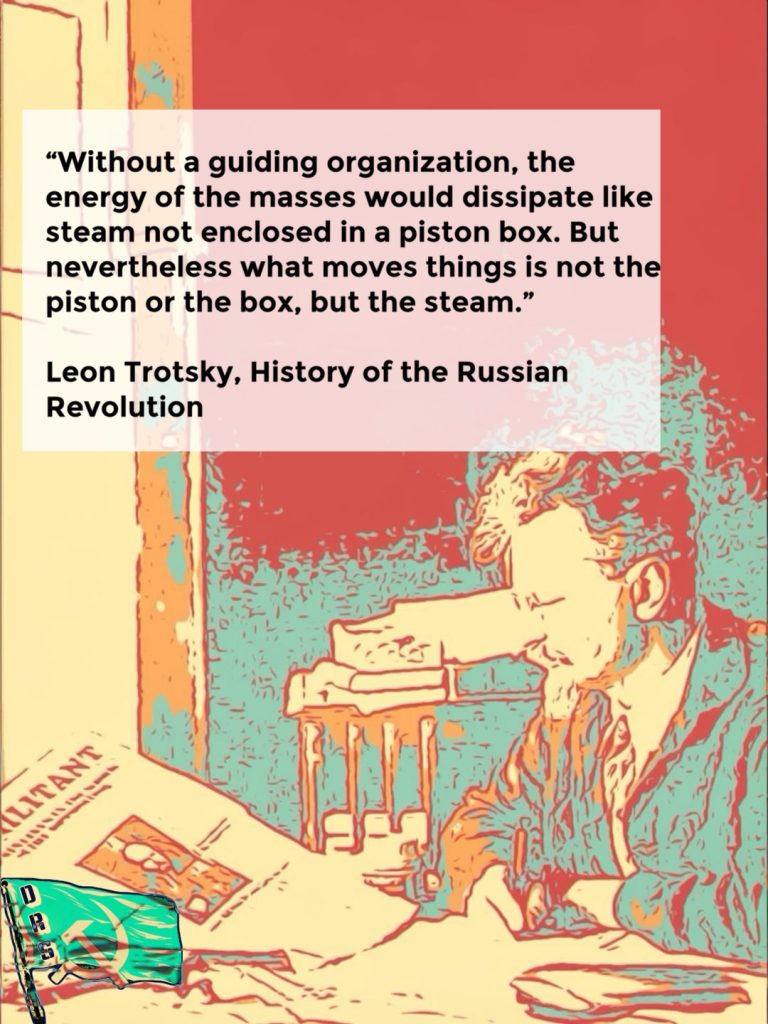
- Workers must be developed to become their own vanguard, organized into a Leninist party based on the principles of democratic centralism. This should always be undertaken with the intention of building self-governing worker-led councils.
- Democratic Centralism:
- We organize on the basis of democratic centralism. This model combines democratic discussion and the right to form tendencies and factions outside of our core points of unity.
- Once the group has reached centralized unity on a topic, this is the party line. Any disagreements can be addressed internally as we revisit the issue. Any external fractures in the party line are grounds for censure.
- Party Structure:
- Allies: We allow allies to formalize their commitment to our common interests, even if they don’t align fully with our political program. Allies can be individuals or organizations. Allies receive our newsletter, are invited to events, and are asked to join collaborative efforts. Organizational allies have a cadre member assigned to their organization to coordinate with the organization directly.
- Prospects: People interested in joining our organization are prospects while engaging in our onboarding program.
- Members: Members are able to vote, propose events, agenda items, articles, discussions, participation in coalitions, etc.
- Cadre: Members in good standing may become official cadres. These members are the cornerstone of the organization and take on increasing responsibilities as they develop politically and opportunities arise.
- Committee Members: As the party grows we will begin to form committees to focus on specific areas.
- Central Committee Leadership: Cadres in good standing may be elected to the Central Committee.
- Working Class Independence.
- We do not work in the RNC or the DNC.
- We may work within labor unions and within existing leftist formations to recruit advanced workers, and work to fuse communist theory with the workers’ movement.
- Any coordinated entry will be announced and engaged with in good faith with the org’s informed consent.
International Relations and Geopolitics
The organization’s stance towards other countries, international movements, and global political blocs. Internationalism should ground solidarity in emancipatory struggles for popular power and human freedom, rather than automatic defence of any state simply because it opposes an imperial power. We reject both uncritical defence of authoritarian regimes and detached moralism that ignores imperialism’s violences.
Main Principles of Internationalism
- Proletarian Internationalism:
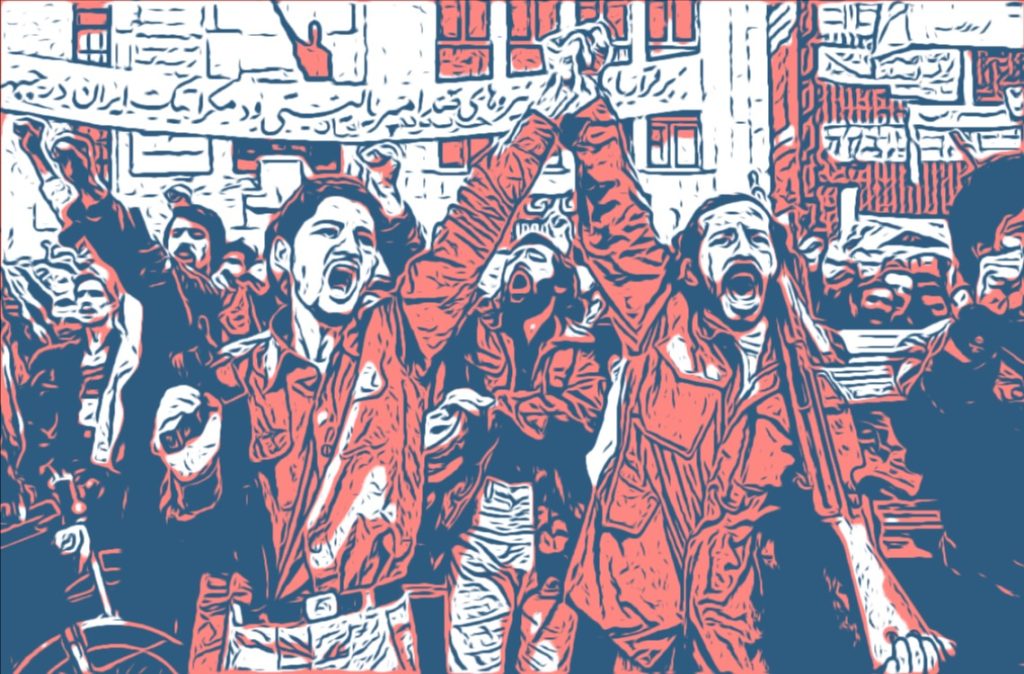
- The principle that the struggle is global. The chief duty of a proletariat in a capitalist country is to overthrow its own bourgeoisie, thereby weakening world imperialism, and to support revolutionary movements in other countries
- Self-Determination of Nations:
- Support for the right of nations and colonies to self-determination, including the right to form a separate state.
- Actually-Existing Socialist States:
- We aim for creating a system of government where the workers own and manage the means of production. In analyzing the many self-identified socialist states, we do not see any current states that meet this criteria. That said, we do not make value judgments on whether a nation’s government is “good” or “bad” or whether they are actually socialist or working toward socialism, or anything of that matter.
- A balanced internationalism:
- politics rooted in popular freedom, not state loyalty
Principles of Internationalism
- We oppose all imperialism firmly. We treat interventions, blockades, occupations as forms of domination to be resisted.
- We support emancipatory movements, not regimes. We back popular uprisings, labour struggles, and demands for freedom even when they target formally “anti-imperialist” states. We read revolts as possible seeds of democratic power, not as automatically imperialist agents.
- We are critical of authoritarian “anti-imperialist” states. We acknowledge and oppose regimes’ reproduction of domination, abstraction of labour, or bureaucratic rule, even if they resist Western aggression.
- We maintain a center affect and power. We build politics that speak to people’s needs for dignity, agency and hope (the affective appeals campism taps into) while channeling that desire into democratic, emancipatory projects rather than nostalgia for strong states or spectacle.
Tactics and practice of Internationalism
- We root our solidarity in the politics of self-determination and democratic rights. We combine material aid, political pressure, and public solidarity with movements demanding democracy, labour rights, and an end to repression.
- We take positions through careful geopolitical analysis, not camp loyalty. We analyze global conflicts as contests of imperial power without collapsing all local actors into proxies; avoid binary “us-vs-them” state camps.
- Our overarching goal is to build transnational working-class social movements. We prioritize organizing that links workplace struggles, anti-racist and anti-colonial struggles, climate struggles and other emancipatory currents, seeking common concrete demands (e.g., abolition, living standards, climate justice).
- We may employ the use of transitional demands and abolitionist politics. We pursue immediate, popular-democratic goals (abolish policing practices, end blockades, expand democratic control) that both relieve suffering and expand capacity for collective self-rule.
Rational Basis of Our Internationalism:
- We accept the anti-imperialist insight that global power matters, while refusing to translate that into unconditional support for authoritarian states. We honor the campists’ desire for power and impact by offering forms of democratic mass politics that are attractive and empowering, not merely moralizing or purely academic.
- Analysis of Colonial and Post-Colonial Revolutions: The view that colonial revolutions have a tendency to become permanent revolutions, necessarily moving from national liberation to socialist revolution to fully succeed.
- Stance on Imperialist War: A critical test of a revolutionary party is its unequivocal opposition to its “own” imperialist bourgeoisie in times of war, rejecting any form of class collaboration or “social-chauvinism”
Critique of Other Political Currents
These positions establish the organization’s identity by differentiating it from rival ideologies within the
labor and left movements.
- Anti-Revisionism:
- A firm stance against “revisionism,” defined as the watering down of revolutionary Marxism into reformism, class collaboration, or the abandonment of the goal of revolution .
- Struggle Against Opportunism:
- A commitment to waging a consistent struggle against both “right” opportunism (class collaboration, reformism) and “left” sectarianism (dogmatism, isolation from mass struggles) .
- Critique of Stalinism and Social Democracy:
- Rejection of the bureaucratic and class-collaborationist leadership of both Stalinist and Social Democratic parties, while distinguishing their rank-and-file workers from their leaders .
- Opposition to Bourgeois Democracy:
- The view that “bourgeois democracy” is a form of class rule, and that communists should not form strategic alliances with bourgeois parties .
The Goal: The Dictatorship of the Proletariat and Communism
These positions outline the ultimate political and social objective.
- Dictatorship of the Proletariat: The victorious working class must exercise state power in the form of its revolutionary dictatorship to suppress the overthrown exploiters, build socialism, and prevent capitalist restoration .
- Political Revolution: In states where the working class has been expropriated from power by a bureaucratic caste (like the USSR), the task is not a social revolution (to overthrow capitalism) but a political revolution to remove the bureaucracy and restore proletarian democracy.
Abolition of Classes
The ultimate goal is the creation of a classless communist society, requiring the gradual abolition of the distinctions between workers and peasants, town and country, and mental and manual labor.
The trees which we plant here, under whose shade we shall never sit, we love them for themselves, and for the sake of our children and our children’s children, who are to sit beneath the shadow of their spreading boughs of liberation and not have to fathom a world where exploitation is their lot in life.
– after French theologian Hyacinthe Loyson