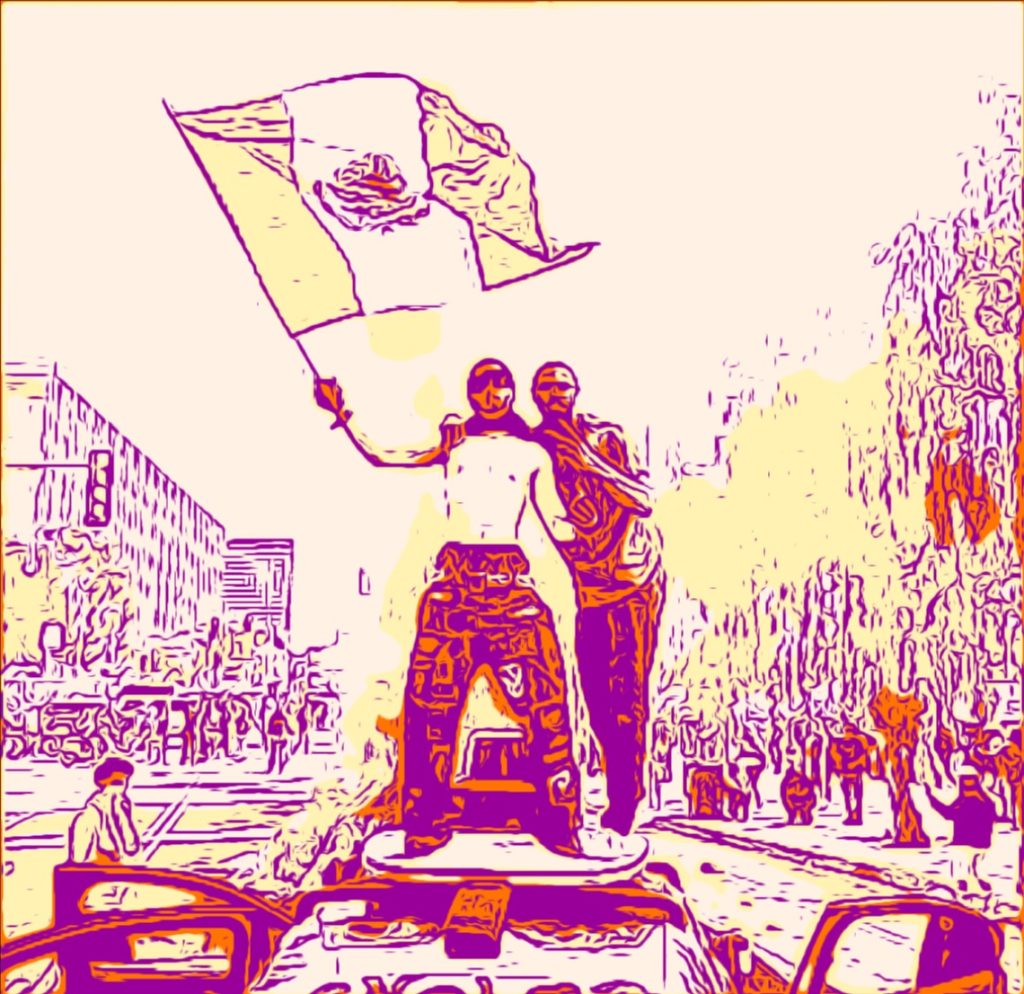
There’s this moral issue called the hostage-taker’s veto. It’s a situation where an individual or group uses their power to block decisions or actions in order to extract concessions from others, often in a political context like this one. This strategy can involve leveraging veto power in negotiations to gain advantages in unrelated areas. It came up this week in response to GEO Group workers punishing detainees for protests happening outside the facility. Should we stop protesting to prevent further harm?
Once we let the threat of retaliation against the detainees govern whether we apply pressure or not, we are handing GEO a switch where they can turn our action off or on at their whim by mistreating our people. If we back off when they retaliate, we are teaching them that hurting detainees is effective. This doesn’t protect detainees long-term, only perhaps in the short-term.
However, responsibility for this mistreatment lies entirely with GEO and ICE. I refuse to grant them a veto by treating their threats as binding, and I refuse to take any responsibility for their retaliation.
What I wasn’t factoring into the situation is that we’re not sufficiently embedded within the community to be able to speak or choose for them. This is at the heart of my hesitancy with our overall tactics against ICE; acting on their behalf without their consent is substitutionism, and not a good way to structure a movement. If there were stronger voices of self-organization that had something approaching a mandate from a majority, it would be different.
The people with standing to weigh the retaliation are the detainees themselves, so the task isn’t “decide for them” or “defer to their imagined wishes,” it’s build the channel that lets their actual preferences drive it.
Where does that leave us on the issue? I’m interested to hear what you all think. I don’t think that tactically cowing to abuse is going to work out, but that’s not really what anyone’s advocating for. I also don’t think we can choose for detainees, but I’m also not going to wait to put pressure on GEO until self-organization develops among detainees.
What could accomplish both purposes right now is building infrastructure of resistance through commissary, legal, family contact, and building actual relationships if they want them. We offer it and follow through whether or not they want us pressuring GEO in other ways.
Will they want to have those relationships or solidarity with us though? We have to acknowledge that the mindset of the radical organizer is very different from most of the people that we’re fighting “for” in this. Do these people want our solidarity even though we may only share a common enemy? I believe they will, but that’s something I’m weighing in how to approach the issue.